
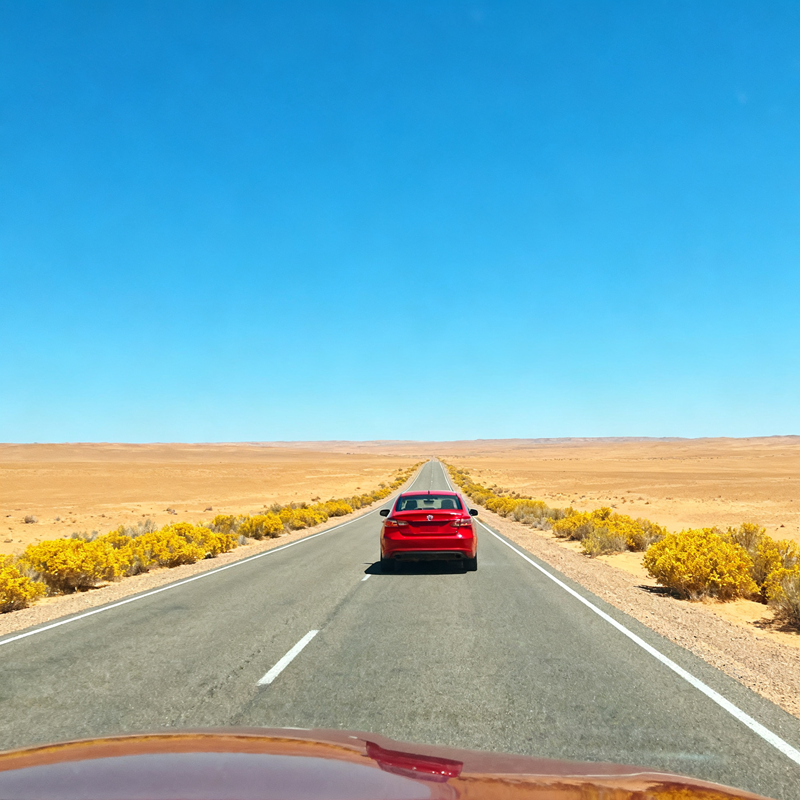

How to Plan Your Perfect Self-Driving Tour
Planning the perfect self-driving tour is the dream for many travelers.
It offers unparalleled freedom, flexibility, and the chance to discover hidden gems far from the crowded tourist trails. A successful self-driving tour adventure doesn’t just happen. It requires careful thought and preparation. This comprehensive guide will walk you through every step of the process. We will cover everything from choosing your destination to staying safe on the road. Get ready to hit the highway and create memories that will last a lifetime.
Why Choose a Self-Driving Tour?
A self-driving tour is the ultimate way to explore. You are the master of your own itinerary. You can stop whenever you want. See a charming little bakery? Pull over. A stunning viewpoint? Stop and take pictures. You travel at your own pace. No rushed schedules. No missing out on something because the tour bus has to leave. This type of trip puts you in complete control. It is perfect for families, couples, and solo adventurers alike.

Step 1: Dream and Define Your Perfect Self-Driving Tour
First, let’s dream a little. What does your ideal self-driving tour look like? Ask yourself these key questions.
What’s your travel style? Do you love rugged mountain roads and camping? Or do you prefer coastal highways and luxury hotels?
Who is going? Traveling with kids? A group of friends? This will greatly influence your plans.
How much time do you have? A weekend getaway? A two-week epic journey? Be realistic about time.
What’s your budget? Factor in gas, rentals, accommodations, food, and activities.
Defining these elements early will make the rest of your planning much smoother.
Step 2: Choose Your Destination and Route
This is the most exciting part. The world is full of incredible routes for a self-driving tour.
Classic Self-Driving Tour Routes:
USA: Route 66, Pacific Coast Highway, Blue Ridge Parkway.
Europe: The Romantic Road in Germany, The Amalfi Coast in Italy, The Ring Road in Iceland.
Others: The Great Ocean Road in Australia, The Garden Route in South Africa.
Plan Your Route Realistically:
Don’t try to drive too far in one day. A good rule of thumb is 3-5 hours of driving. This leaves plenty of time for exploring stops along the way. Use mapping tools like Google Maps to estimate drive times. Always add a buffer for unexpected delays. The journey is the destination on a self-driving tour.
Step 3: Book Your wheels and Lodging
Once your route is set, it’s time to book the essentials.
The Car: If you’re not using your own, book a rental car early. Choose a vehicle that suits your route and group size. An SUV might be better for mountain roads. A fuel-efficient car is great for long hauls. Always check the rental conditions thoroughly.
Where to Stay: Book your accommodations in advance, especially during peak season. For a flexible self-driving tour, consider a mix of hotels, motels, and vacation rentals. Apps like Airbnb and Booking.com are very useful.
Step 4: Plan Your Stops and Activities
A great self-driving tour is about the stops, not just the driving.
Research Points of Interest: Look for national parks, historic sites, quirky museums, and local restaurants. Travel blogs and forums are gold mines for this information.
Be Flexible: While planning is key, leave room for spontaneity. Some of the best discoveries are unplanned. See a sign for a local waterfall? Go check it out!
Step 5: The Pre-Trip Vehicle Check
Your vehicle is your most important asset on this self-driving tour. Your safety depends on it.
Get a Service: Before you go, get a full vehicle check-up. Check oil, tires (including the spare!), brakes, fluids, and lights.
Pack an Emergency Kit: Include a first-aid kit, flashlight, blankets, water, non-perishable snacks, jumper cables, and a basic tool kit.
Step 6: Pack Smart for Your Self-Driving Tour
Packing for a road trip is different from other vacations.
Essentials: Keep your driver’s license, insurance, and rental documents handy.
Comfort: Pack a cooler with drinks and snacks. Bring pillows, blankets, and good music or podcasts for the drive.
Navigation: While phones are great, have a physical map as a backup for areas with poor cell service.
Step 7: Mastering Safety on Your Self-Driving Tour
Safety should always be your top priority on any self-driving tour.
Avoid Fatigue: Take regular breaks. Switch drivers if possible. Never drive drowsy.
Stay Alert: Be aware of changing road conditions and weather.
Secure Your Belongings: Don’t leave valuables in plain sight when you leave the car.
Driving in low-light conditions, at night, or in bad weather like fog, rain, or snow is one of the biggest challenges on a self-driving tour. It significantly increases risk. Your normal headlights have limitations. They can’t see around corners or through obscuring weather.
This is where modern technology can dramatically improve your safety. For instance, the Robofinity Thermal Night Vision Camera is a game-changer for drivers. This device uses advanced thermal imaging to see the heat signatures of people, animals, and vehicles far beyond the reach of your headlights.
Its AI intelligence can identify potential hazards like a deer about to cross the road or a pedestrian in a completely dark area. It provides a collision warning, giving you precious extra seconds to react. The best part? The Robofinity thermal car camera can see up to 200 meters away and penetrates rain, snow, and fog, making it an invaluable co-pilot for any serious self-driving tour enthusiast. Its simple and quick installation means you can add a massive layer of safety and confidence to your journey, no matter where the road takes you.

Conclusion: Hit the Road!
You are now ready to plan an amazing self-driving tour. Remember, the goal is to enjoy the freedom of the open road. Plan well, but be open to adventure. Your perfect self-driving tour is waiting. So, start the engine, turn up the music, and embark on the journey of a lifetime.
